If your website is getting traffic but your pipeline still feels empty, the problem likely is not your offer. It is the gap between a visitor's interest and your ability to respond fast enough to capture it. That is exactly where chatbots have become one of the most powerful tools in a marketer's arsenal.
Lead generation has changed. Buyers want answers now, not tomorrow. They want conversations, not forms. And they definitely do not want to wait 48 hours for a sales rep to follow up. Chatbots close that gap, and the businesses using them intelligently are pulling ahead.
Here is what a well-built chatbot strategy actually does for your lead generation efforts.
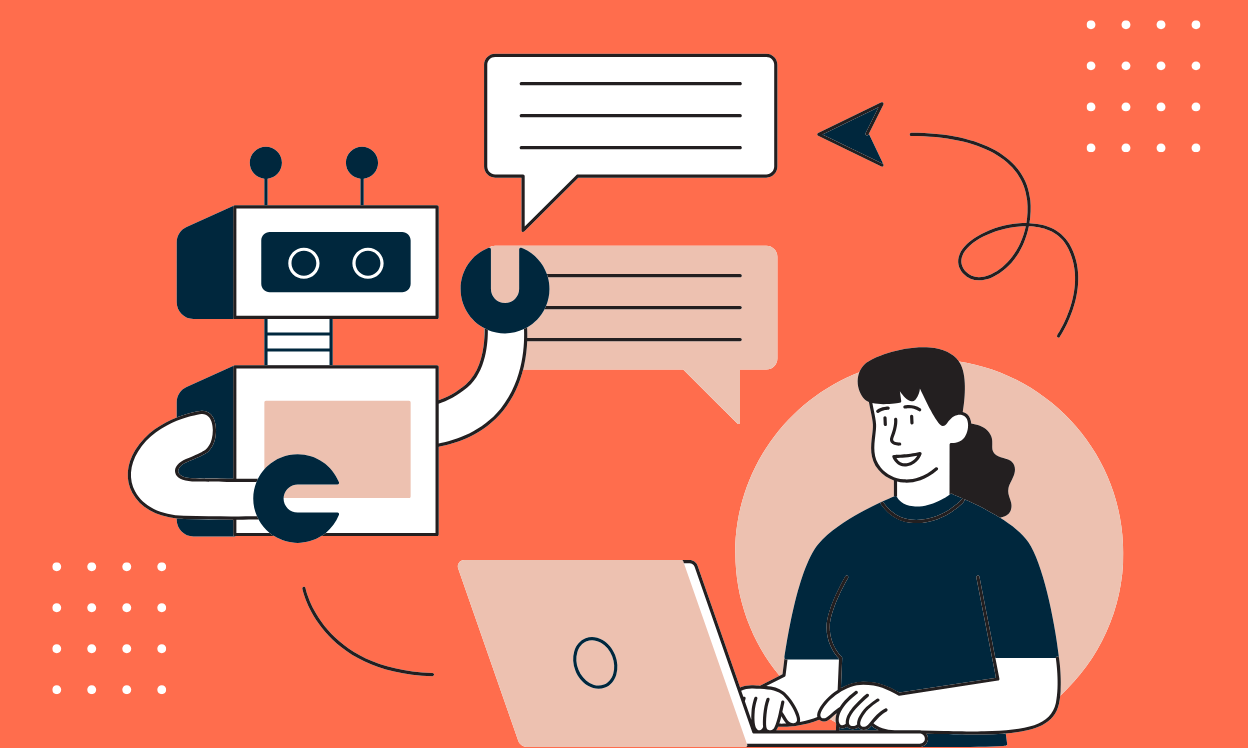
Your Best Sales Rep Never Clocks Out
One of the most immediate wins chatbots bring to lead generation is availability. While your team sleeps, your chatbot is actively welcoming visitors, answering questions, and collecting contact information.
Think about the international traffic hitting your site at 2 a.m. That startup founder in London researching your SaaS product has questions. A static contact form is not going to win that lead. A chatbot that engages, qualifies, and books a discovery call will.
Lead generation does not run on business hours anymore. Your strategy should not either.
Chatbots Qualify Leads So Your Sales Team Does Not Have to Guess
Not all leads are created equal, and nothing drains a sales team faster than chasing cold prospects who were never a real fit. Chatbots solve this by acting as a first-line qualifier, asking the right questions before a lead ever reaches your CRM.
Smart chatbot flows can ask things like:
- What is your biggest challenge right now?
- What does your timeline look like?
- What is your approximate budget range?
Based on those answers, your chatbot can segment leads into categories and route the highest-intent prospects directly to your team, while nurturing the rest through automated follow-up sequences.
The result is a cleaner pipeline, shorter sales cycles, and reps who spend their time closing deals rather than sorting through unqualified inquiries.
Personalization That Scales Without Adding Headcount
Traditional lead generation often forces a trade-off: you can be personalized or you can scale, but rarely both at the same time. Chatbots break that trade-off.
A well-configured chatbot can recognize where a visitor came from, whether that is a specific paid ad, an email campaign, or an organic search landing page, and immediately tailor the conversation to match that context. Someone clicking through a retargeting ad for your enterprise pricing page should not receive the same opening message as a first-time visitor from a blog post.
This kind of contextual, personalized engagement at scale is what separates modern lead generation strategies from the ones that stopped working three years ago.
Every Chatbot Conversation Is Market Research
Here is something most marketers underestimate: chatbots generate a continuous stream of intent data. Every conversation reveals what your visitors are actually asking about, where they hesitate, what objections come up most often, and which pages drive the most engagement.
That data is gold. Use it to refine your messaging, improve your landing pages, build more targeted ad audiences, and develop content that directly addresses what your prospects care about most.
Lead generation improves when you deeply understand your audience. Chatbots give you that understanding at a scale no survey or focus group can match.
The Cost Argument Is Hard to Ignore
Building and maintaining a round-the-clock sales support team is expensive. Chatbots automate the repetitive, high-volume parts of your lead generation process, from answering FAQs to booking calls to following up with prospects who visited a pricing page but did not convert.
Businesses that have integrated chatbots into their lead generation workflows report meaningful reductions in support and sales overhead costs. That savings can be redirected toward paid acquisition, content, or the strategic initiatives that actually require human thinking.
Chatbots Work Better When They Are Connected to Everything
A chatbot operating in isolation is a missed opportunity. The real power of chatbots in lead generation comes when they are connected to your full tech stack: your CRM, your email marketing platform, your scheduling tools, and your analytics dashboards.
When a chatbot qualifies a lead and books a call, that contact should flow automatically into your CRM with full conversation context attached. When a lead drops off mid-conversation, your marketing automation should trigger a re-engagement sequence. Everything connected, nothing falling through the cracks.
That level of integration turns chatbots from a simple tool into a full lead generation system.
The Strategic Takeaway
Chatbots are not a novelty feature to add to your website and forget about. When implemented with strategy and intention, they become one of your most productive lead generation assets, working around the clock, qualifying prospects, personalizing experiences, and feeding your sales team a pipeline of real opportunities.
If your current lead generation strategy relies on static forms and slow follow-ups, you are leaving revenue on the table. Chatbots are not the future of lead generation. For the businesses taking them seriously right now, they are the present.