How Rebuilding the Digital Ordering Experience Increased Online Orders by 45%
45% increase in online orders. 30% improvement in conversion rate. 20% decrease in customer wait time.The Client
Lee Chen Asian Bistro has been a fixture in the Greater Toronto Area dining scene since 2010, serving contemporary Chinese and Asian Fusion cuisine across three high-traffic locations: King & University, Yonge & Bloor, and 404 & Wellington. The brand built its reputation on an elevated yet approachable dining experience.
The Challenge
The restaurant was losing ground where it mattered most: the moment a customer decided to order. Their existing website was not optimized for mobile, lacked integration with the major delivery platforms their customers were already using, and offered no real differentiation between the three locations. The menu was difficult to navigate, friction in the ordering flow was high, and there was no pickup solution in place.
The ask was straightforward. Fix the digital experience from the ground up, connect the right third-party services, and make it easier for customers to go from discovering the restaurant to placing an order.
The Outcomes
Before getting into how we got there, here is what the work delivered:
- 45% increase in online orders after integrating Uber Eats, SkipTheDishes, and DoorDash directly into the website
- 30% improvement in conversion rate following the UX overhaul and structured menu categorization
- 20% decrease in customer wait time after implementing the Ritual pickup integration
- 25% increase in user engagement across all three locations after adding Google Maps and Google 360 Tours
The Strategy
Website Revamp and User Journey Optimization
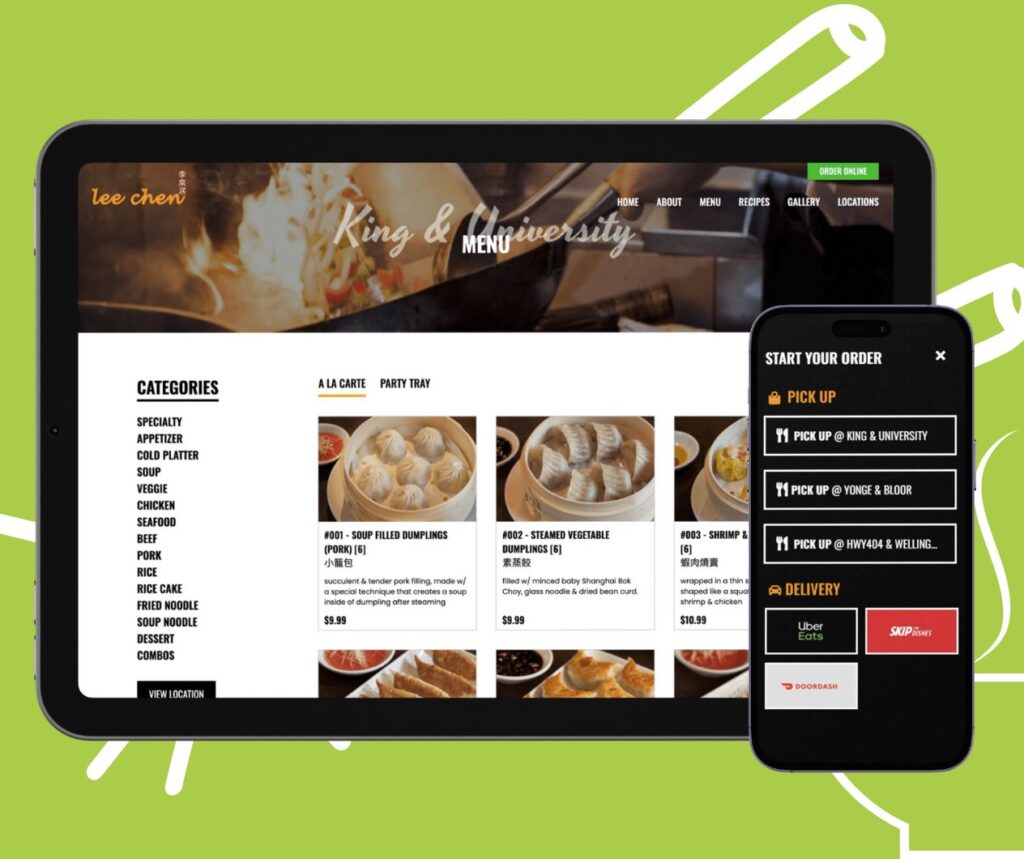
The first priority was the website itself. The existing site was not responsive and it showed. On mobile, which accounted for the majority of traffic, the experience was clunky and unintuitive. We rebuilt it with a clean, fully responsive layout that worked across devices without compromise.
The user journey was mapped from entry point to order completion. Every unnecessary step was identified and removed. Navigation was simplified, load time was brought down, and the path from landing page to ordering was tightened into as few clicks as possible. The visual design was updated to reflect the quality and character of the brand, using high-quality food photography and a layout that felt premium without being inaccessible.
During the prototyping phase, wireframes and interactive mockups were developed to test the flow before a single line of production code was written. User testing informed final decisions on layout hierarchy, button placement, and how menu information was surfaced. The result was a site built to convert, not just to look good.
Delivery Platform Integration
The three major delivery platforms in the Canadian market, Uber Eats, SkipTheDishes, and DoorDash, were integrated directly into the website rather than relying on customers to find Lee Chen on those platforms independently. Each platform was linked with clear, consistent call-to-action buttons that gave customers a choice without creating confusion.
This approach removed a significant drop-off point. Instead of a customer leaving the site to search a delivery app and potentially landing on a competitor, the ordering decision happened right on the Lee Chen website. That shift in flow is where a large portion of the 45% order increase came from.
Ritual Pickup Integration
For customers who preferred to pick up their food, Ritual was embedded directly into the site as a seamless pickup option. This gave the restaurant a way to serve the grab-and-go customer segment without staffing a separate phone line or relying on walk-in volume alone.
The Ritual integration also directly addressed wait time. Orders placed through the app arrived in the kitchen with enough lead time to be ready on schedule, which cut down the in-store wait that had been a recurring friction point. A 20% reduction in customer wait time is meaningful not just for the customer experience but for front-of-house operational pressure.
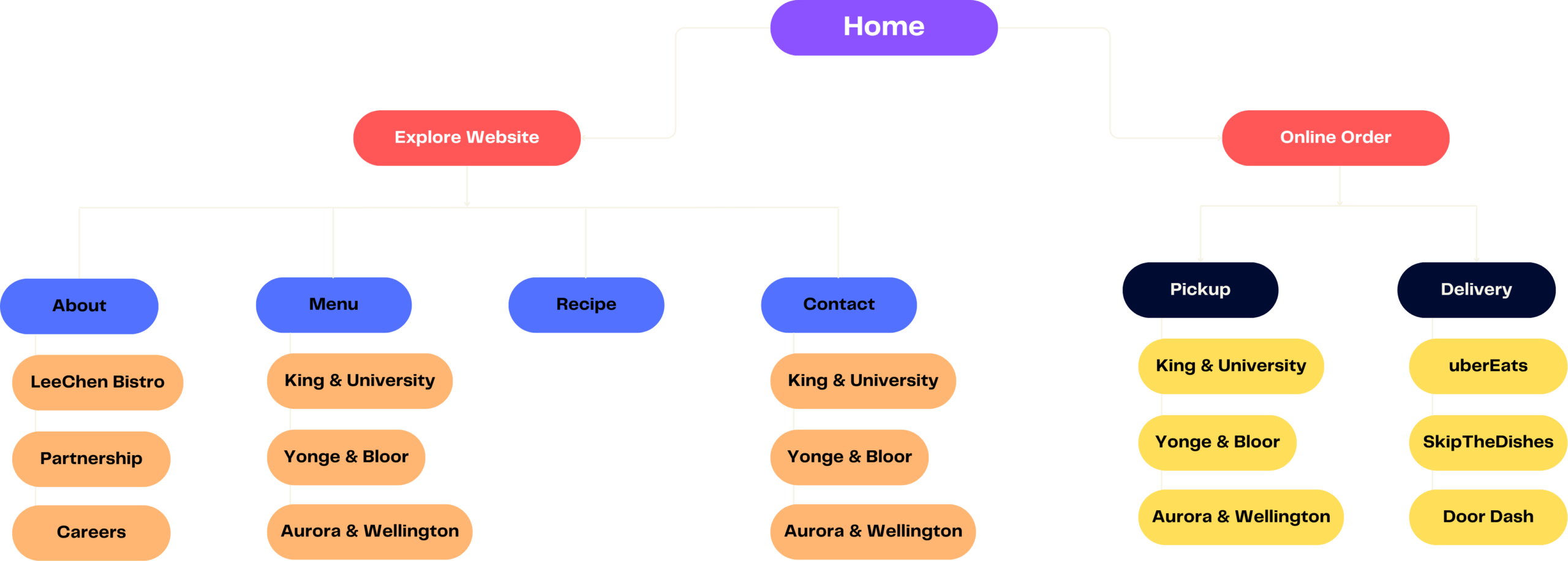
Flowchart of Lee Chen's website navigation.
Menu Categorization and Location-Specific Highlights
The menu restructure was one of the most impactful UX changes made. Previously, the menu was presented as a long, undifferentiated list. We reorganized it into clear categories: appetizers, mains, noodles, rice dishes, and desserts, with filtering by key ingredients for customers with dietary considerations.
Beyond that, each of the three locations had its own featured offerings highlighted. This served two purposes. It gave customers a reason to explore all three locations rather than defaulting to the one closest to them, and it gave the restaurant a way to test location-specific specials and seasonal items without overhauling the entire menu structure.
Google Maps and Google 360 Tours
Each location page was built out with full Google Maps integration and an embedded Google 360 Tour. This was not just a nice-to-have. For a restaurant group with three locations in different parts of the city, helping a potential customer understand exactly where they are going and what the space looks and feels like before they arrive reduces hesitation and increases the likelihood of a visit.
The 360 Tours in particular gave first-time visitors a sense of the ambiance, the layout, and the overall atmosphere of the dining room. For a brand that puts significant effort into the in-room experience, giving digital visitors a preview of that experience proved to be a strong engagement driver. Engagement across location pages increased by 25% following the launch of this feature.
The Result
The Lee Chen project is a strong example of what happens when web strategy and development work together rather than in isolation. The design decisions were made in service of conversion. The integrations were chosen based on where the customer base was already ordering from. The content structure was built around how people actually browse and make dining decisions.
The outcome was a measurable improvement across every key metric the restaurant cared about: more orders, higher conversion, shorter wait times, and stronger engagement. Lee Chen came out of this project with a digital presence that reflects the quality of what they serve and a platform that continues to work for them.
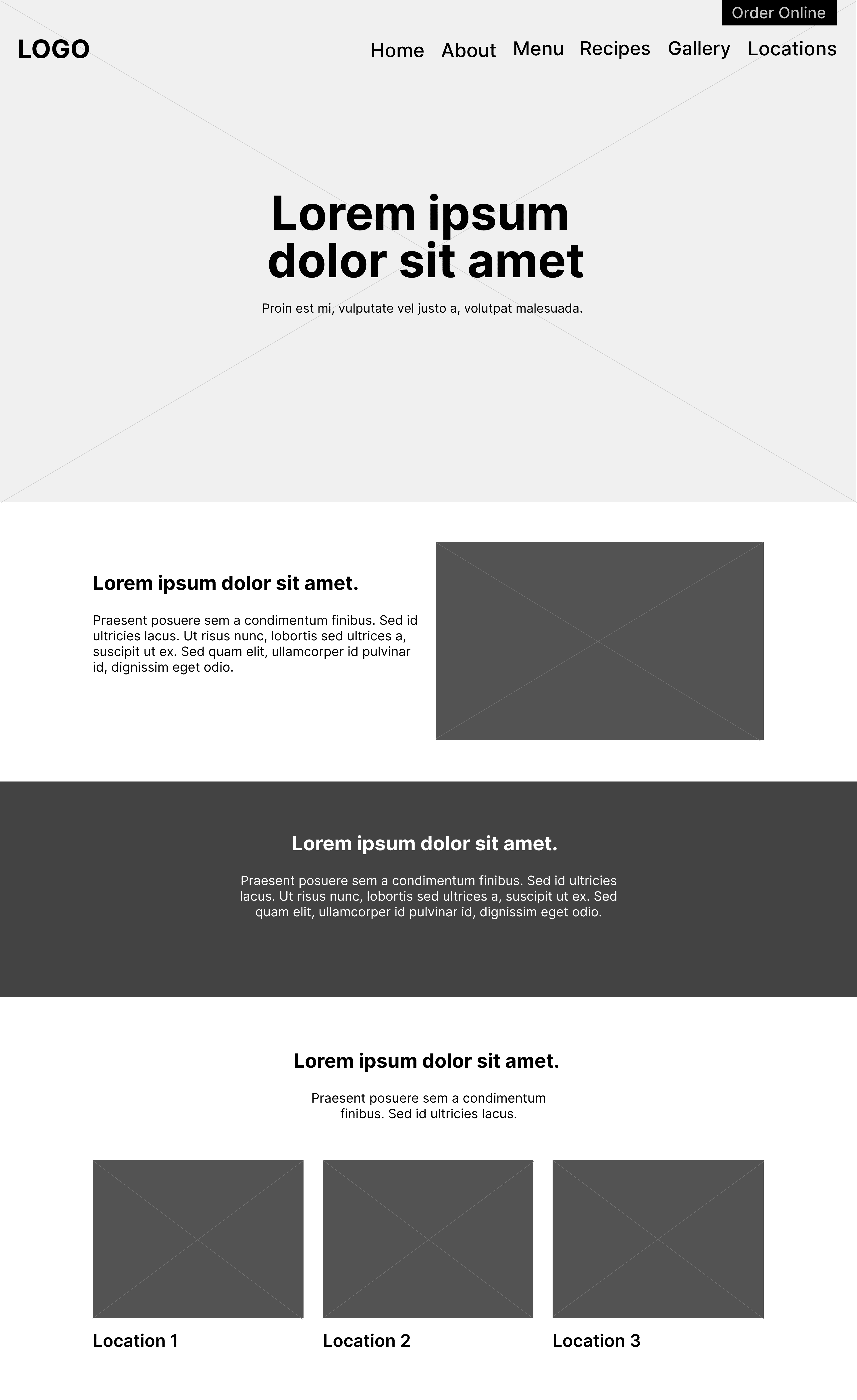

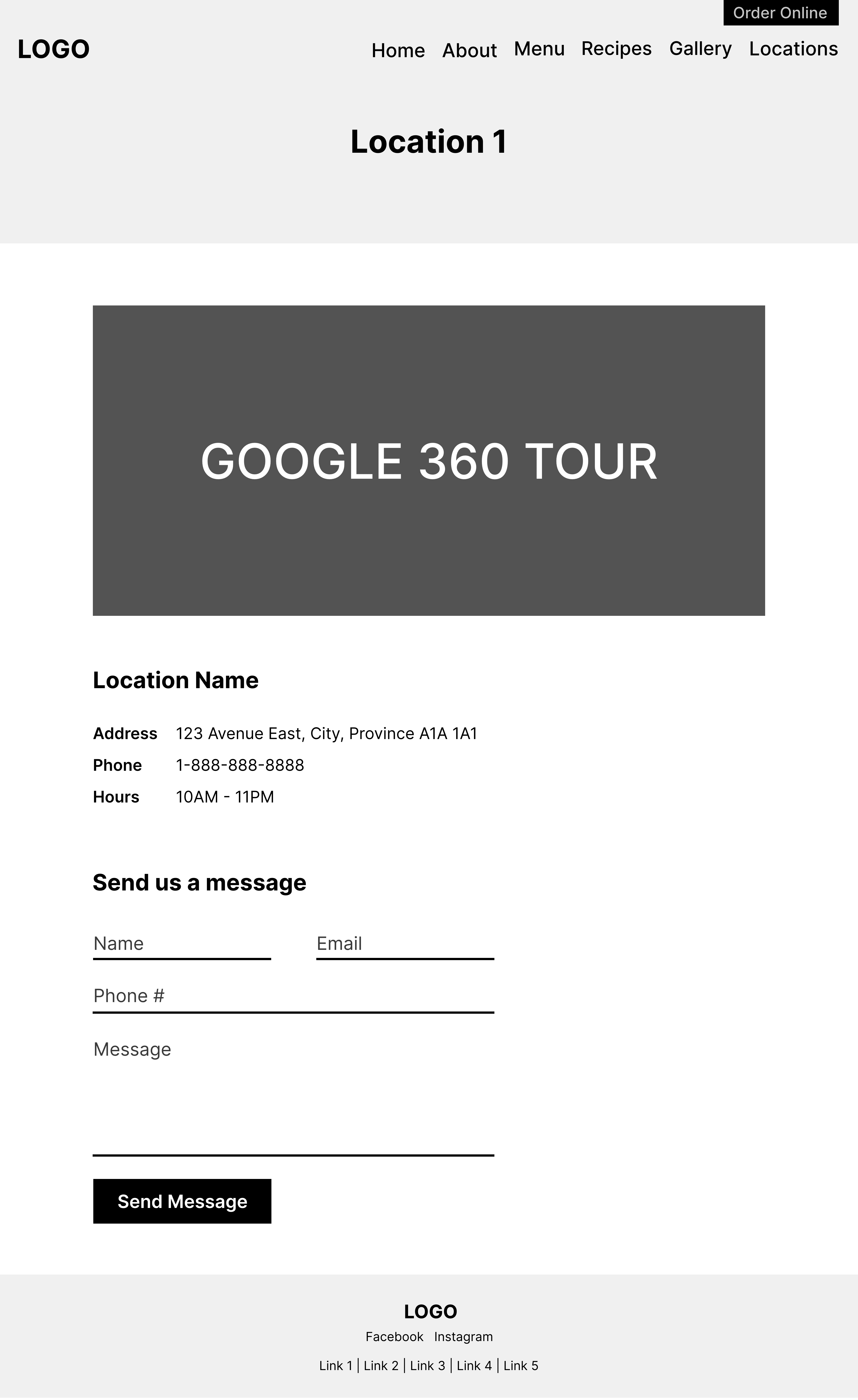
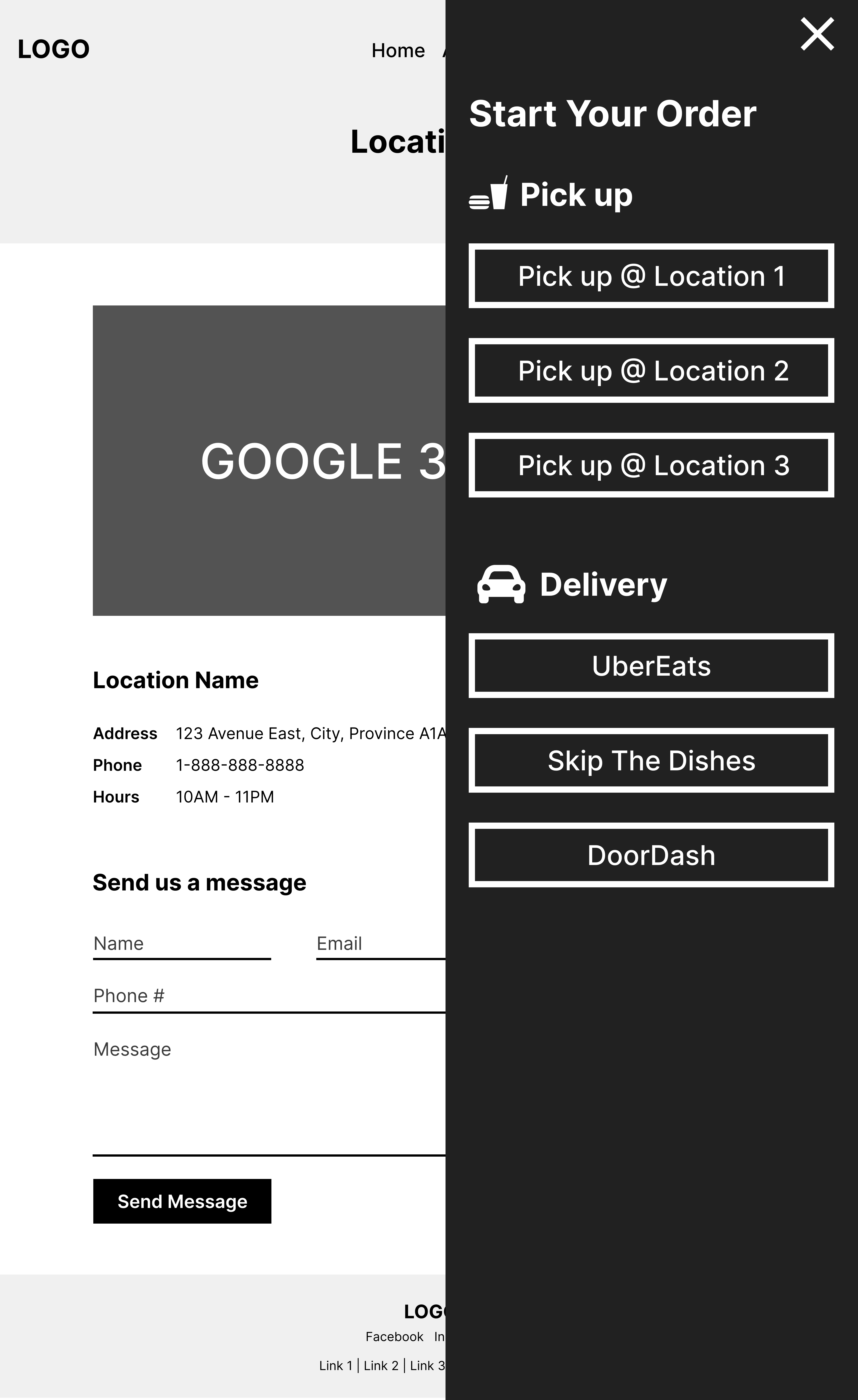
Wireframes of Lee Chen Asian Bistro website - Desktop version.
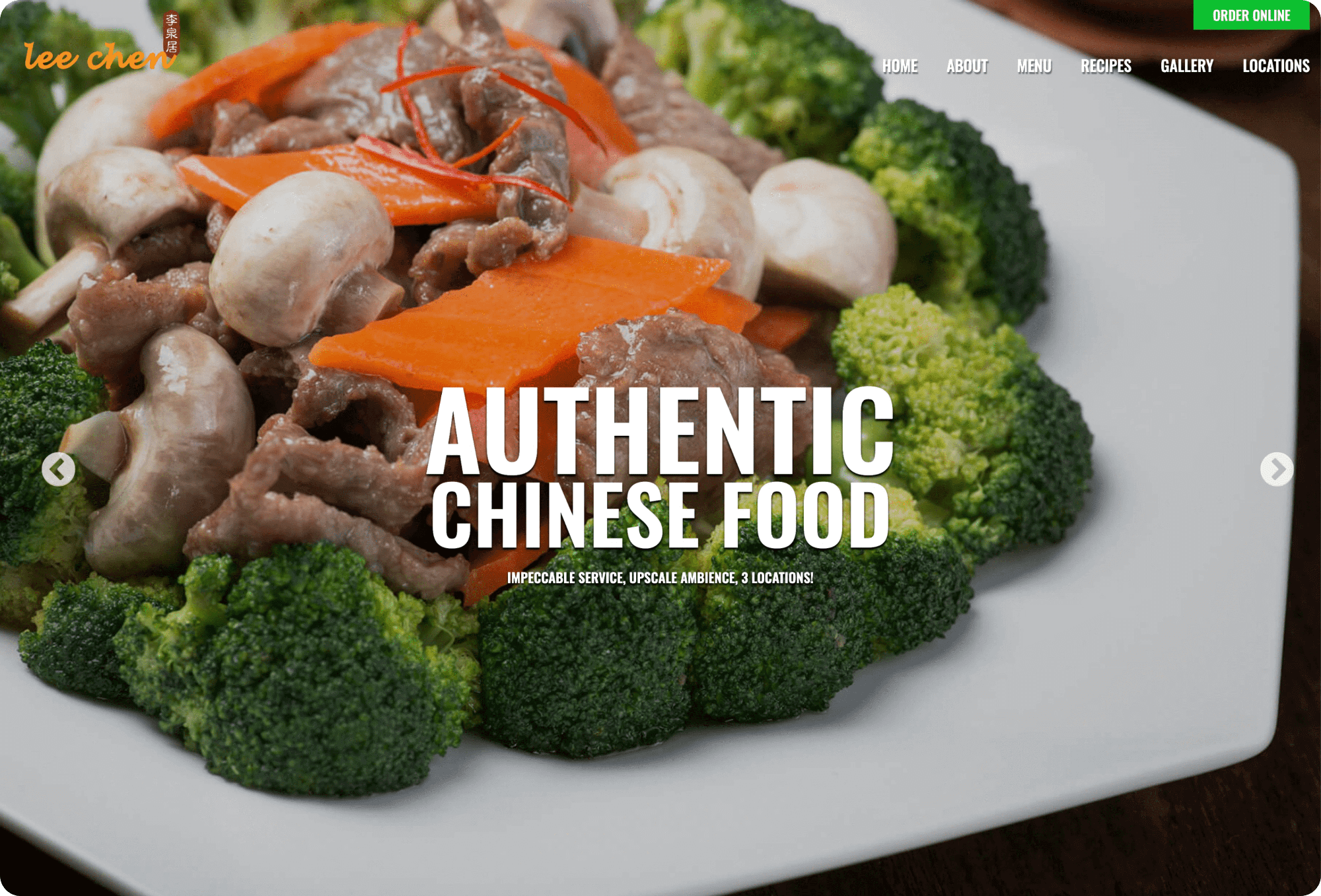
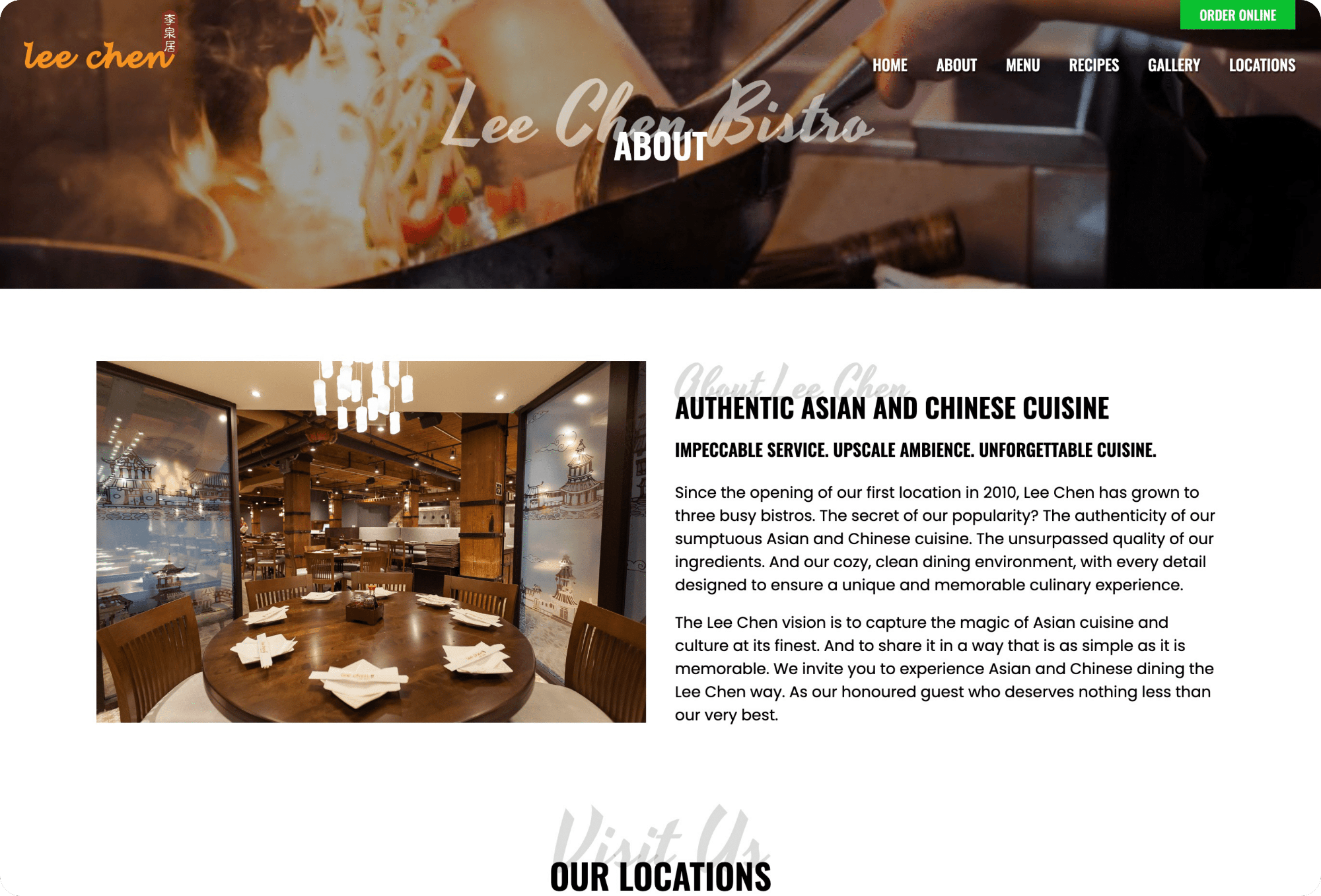
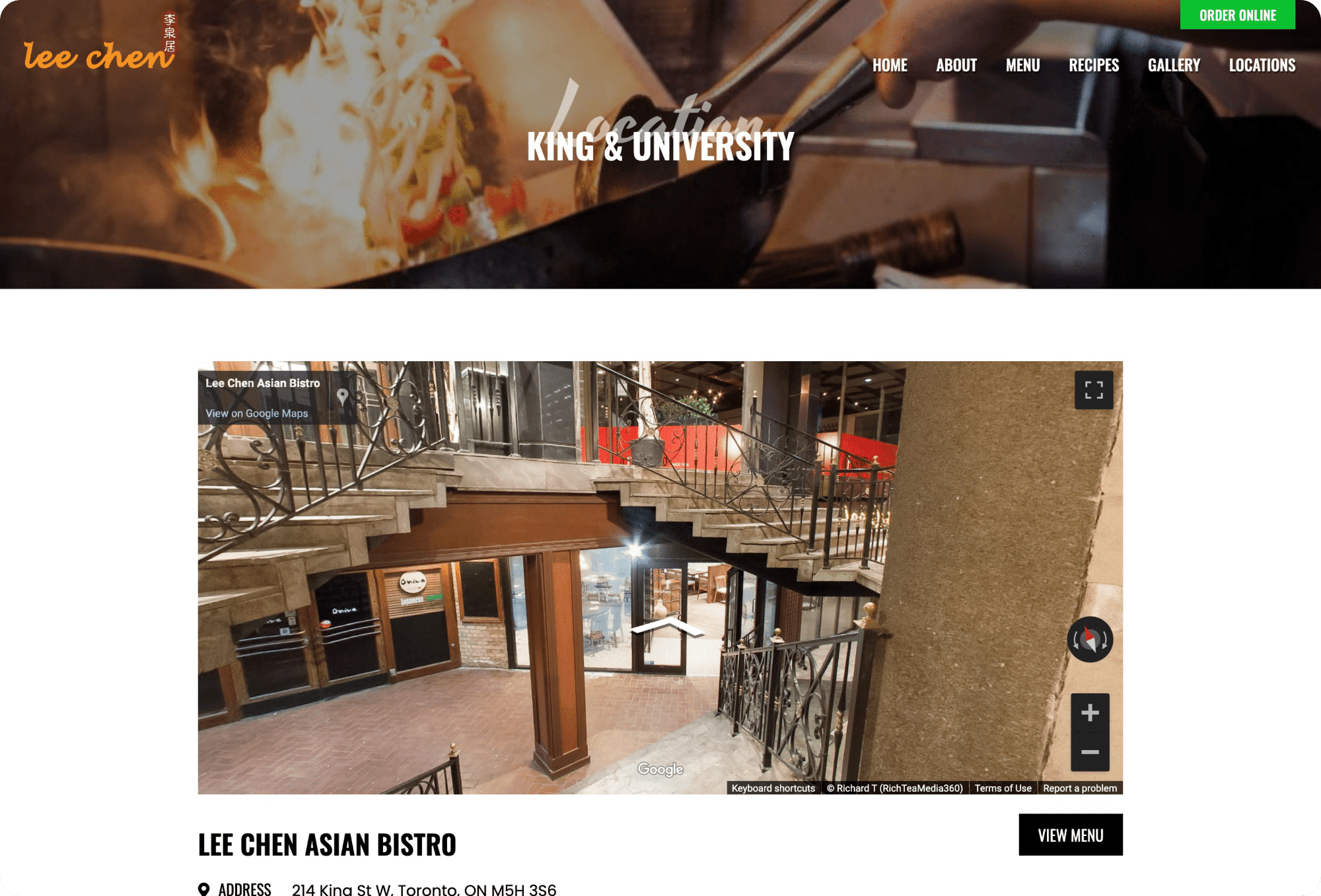
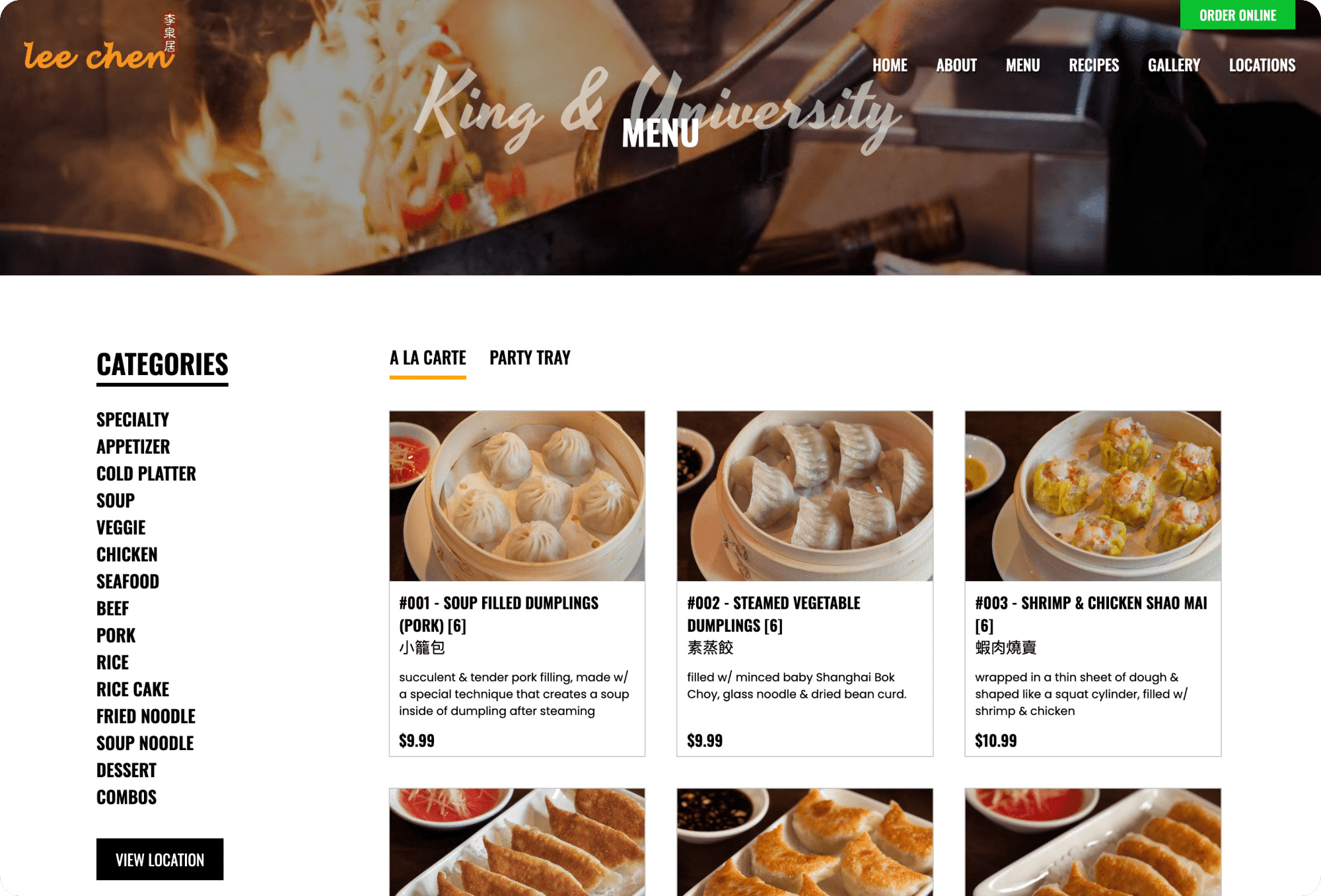
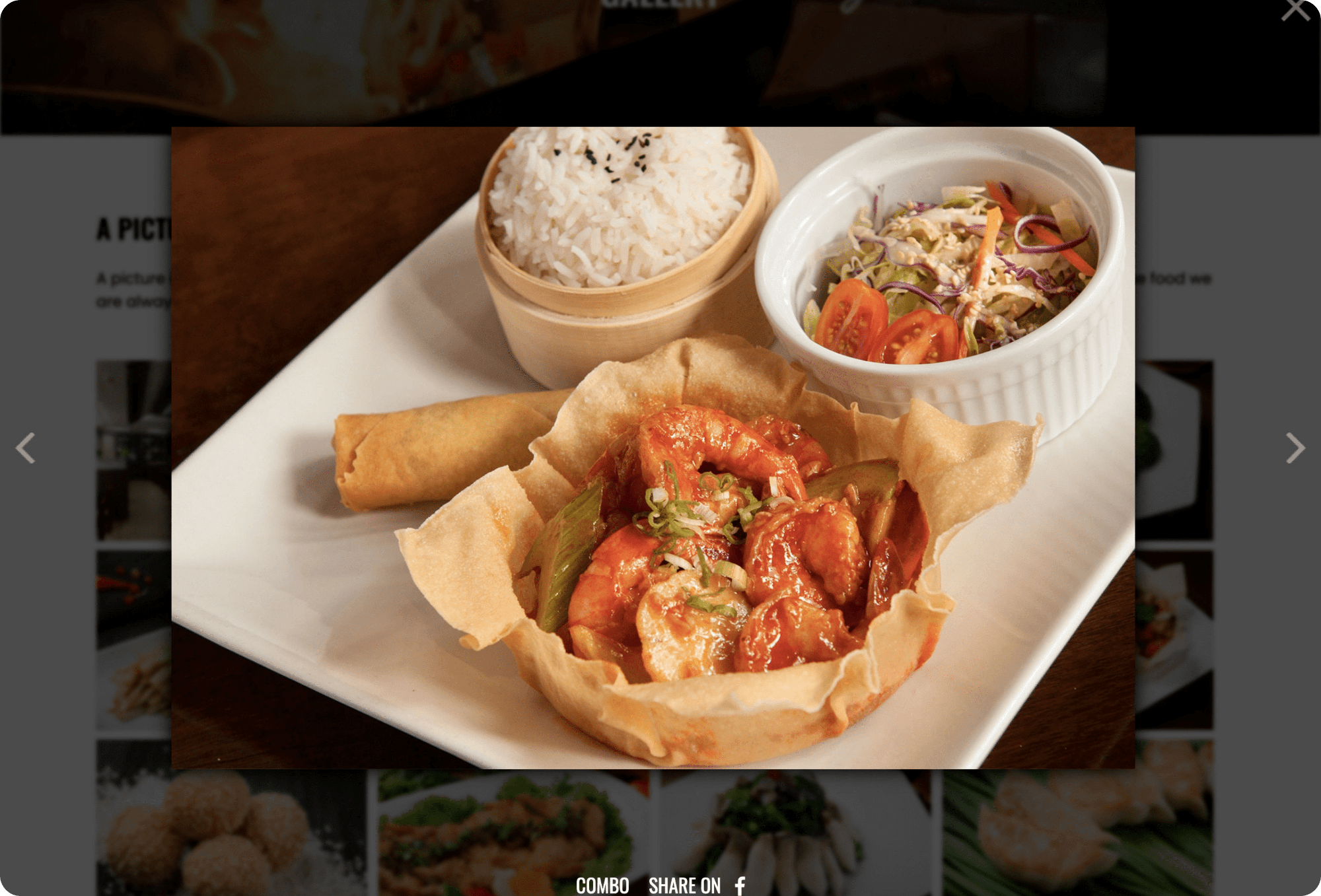
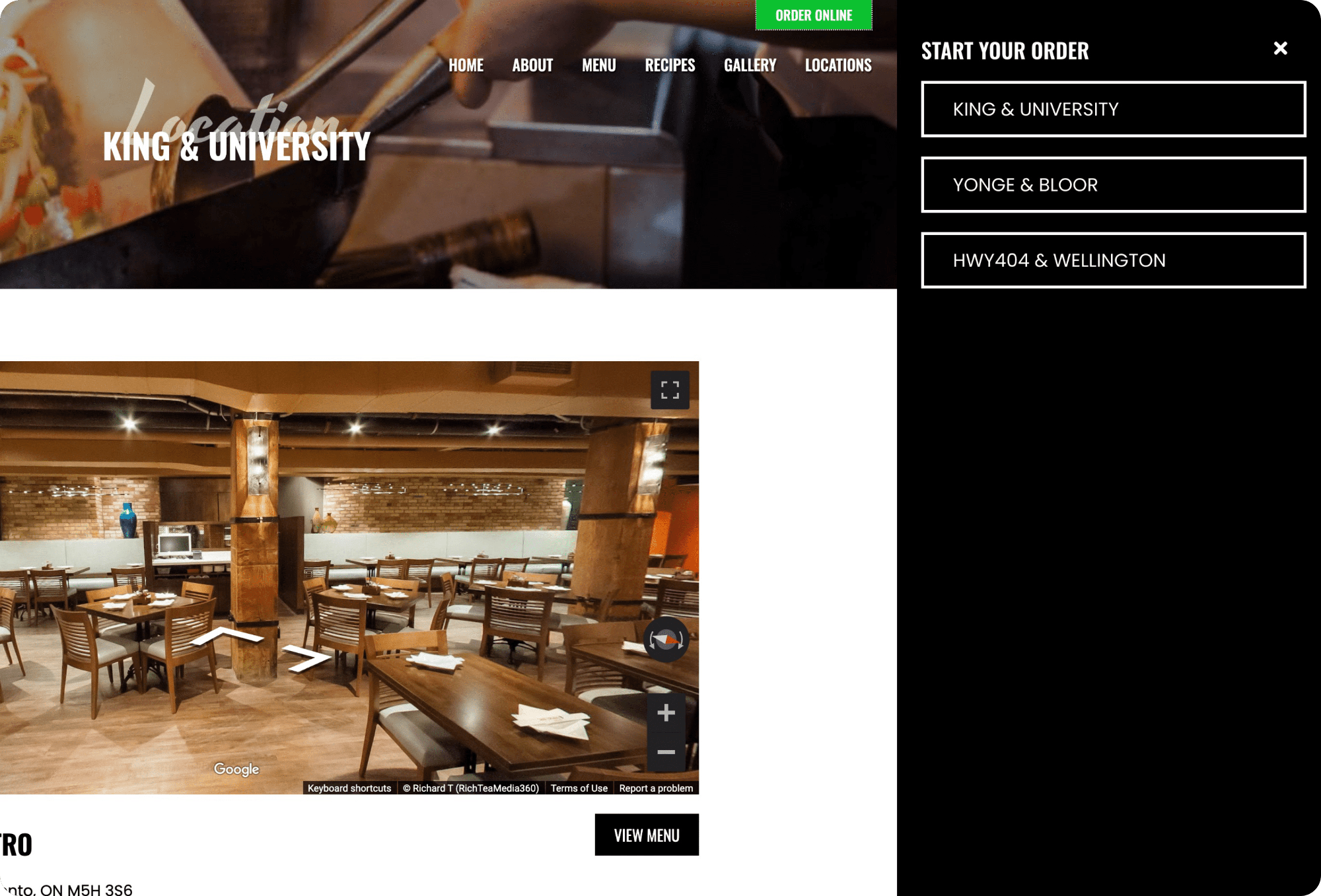
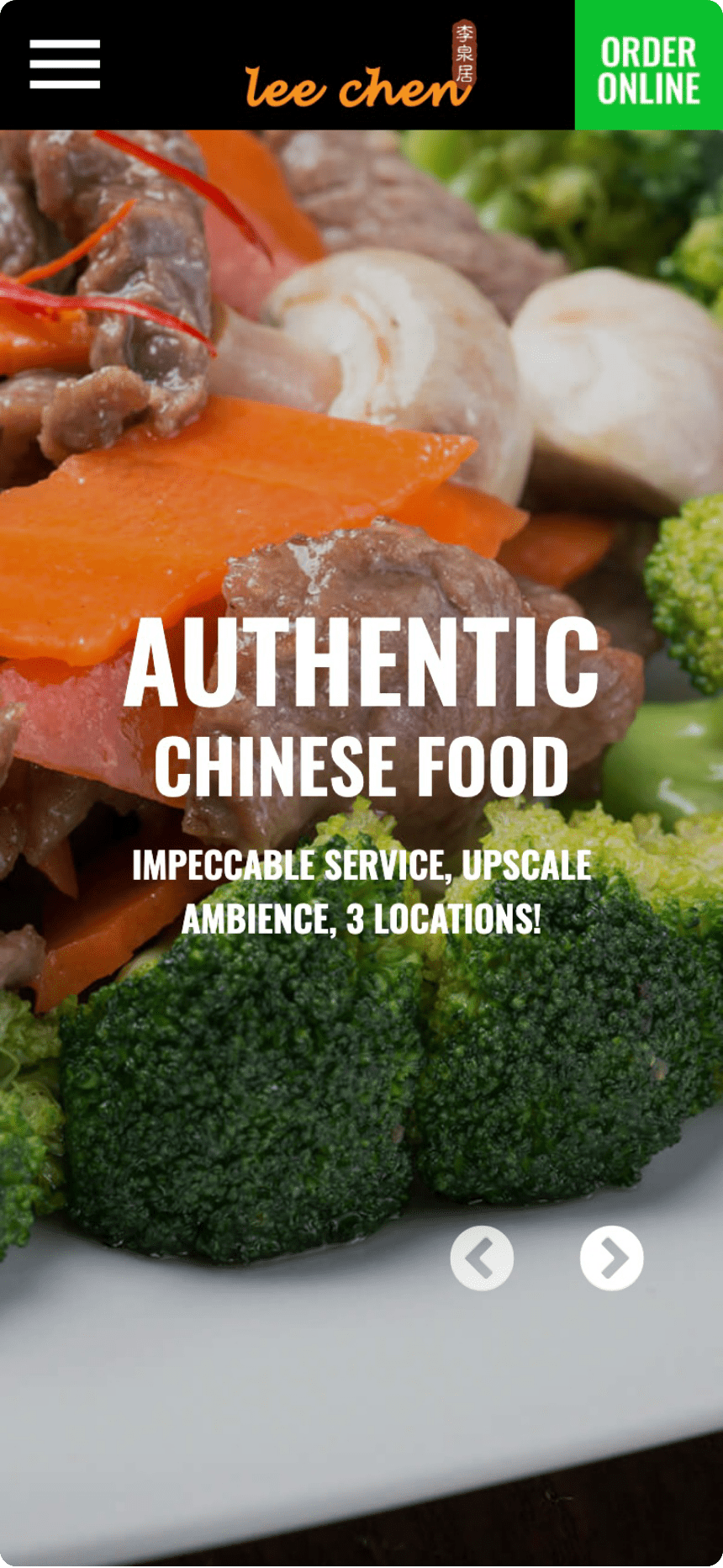
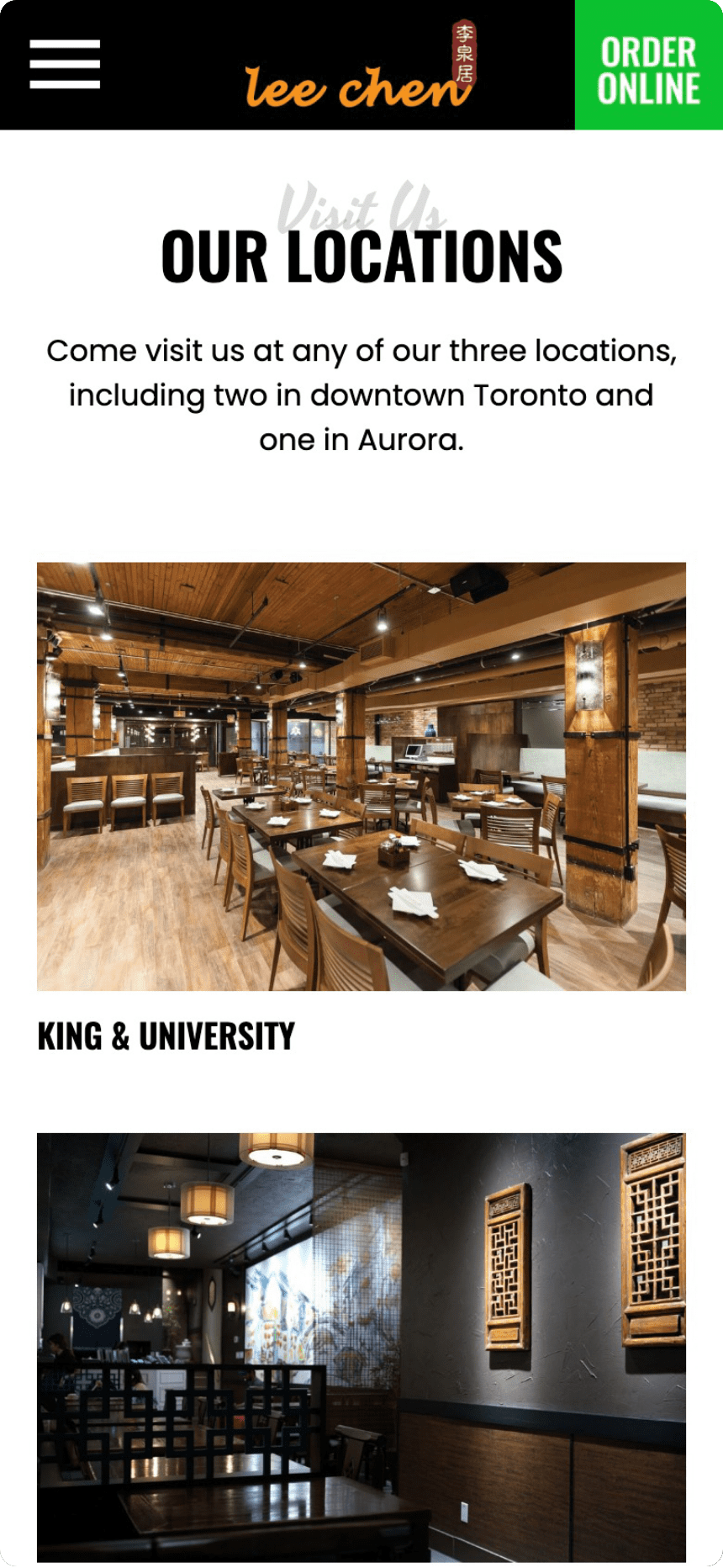
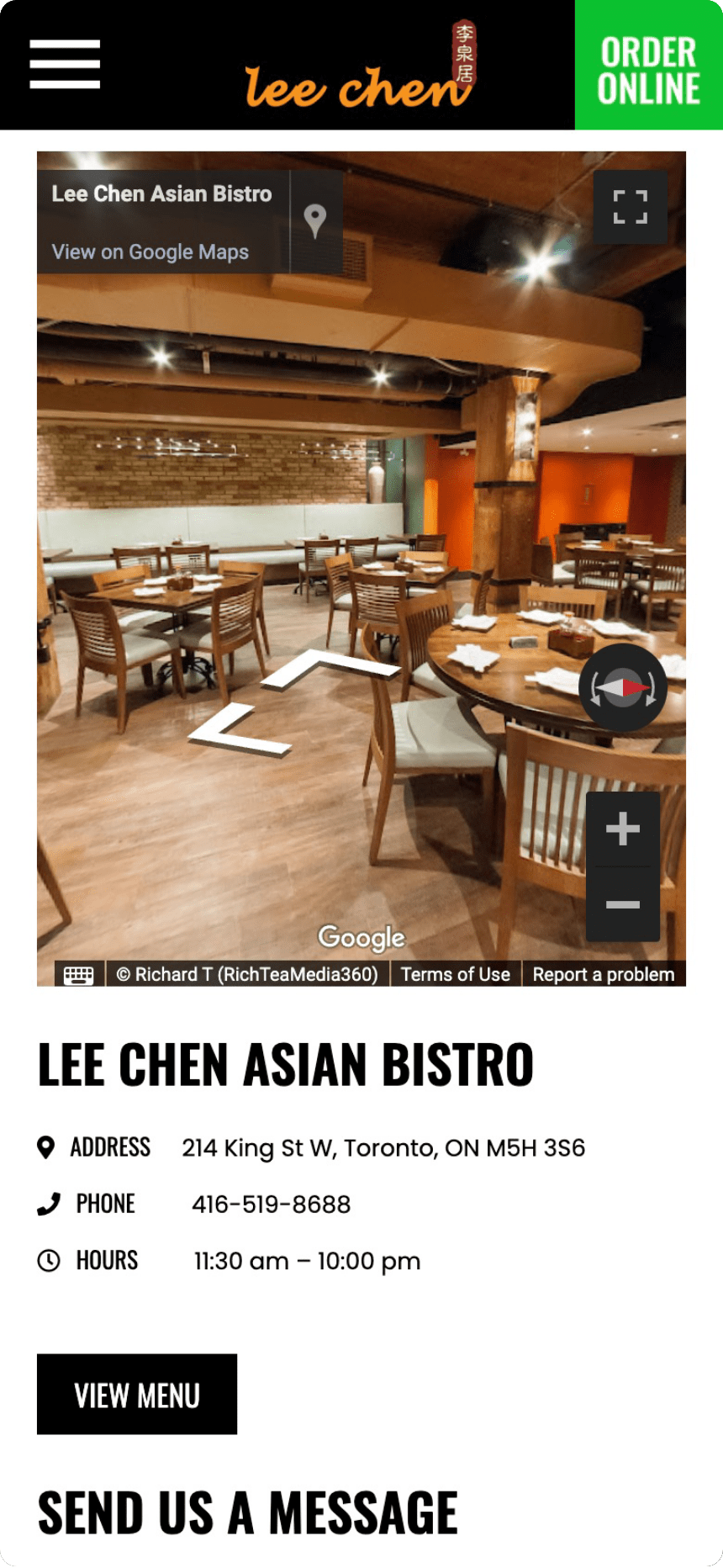
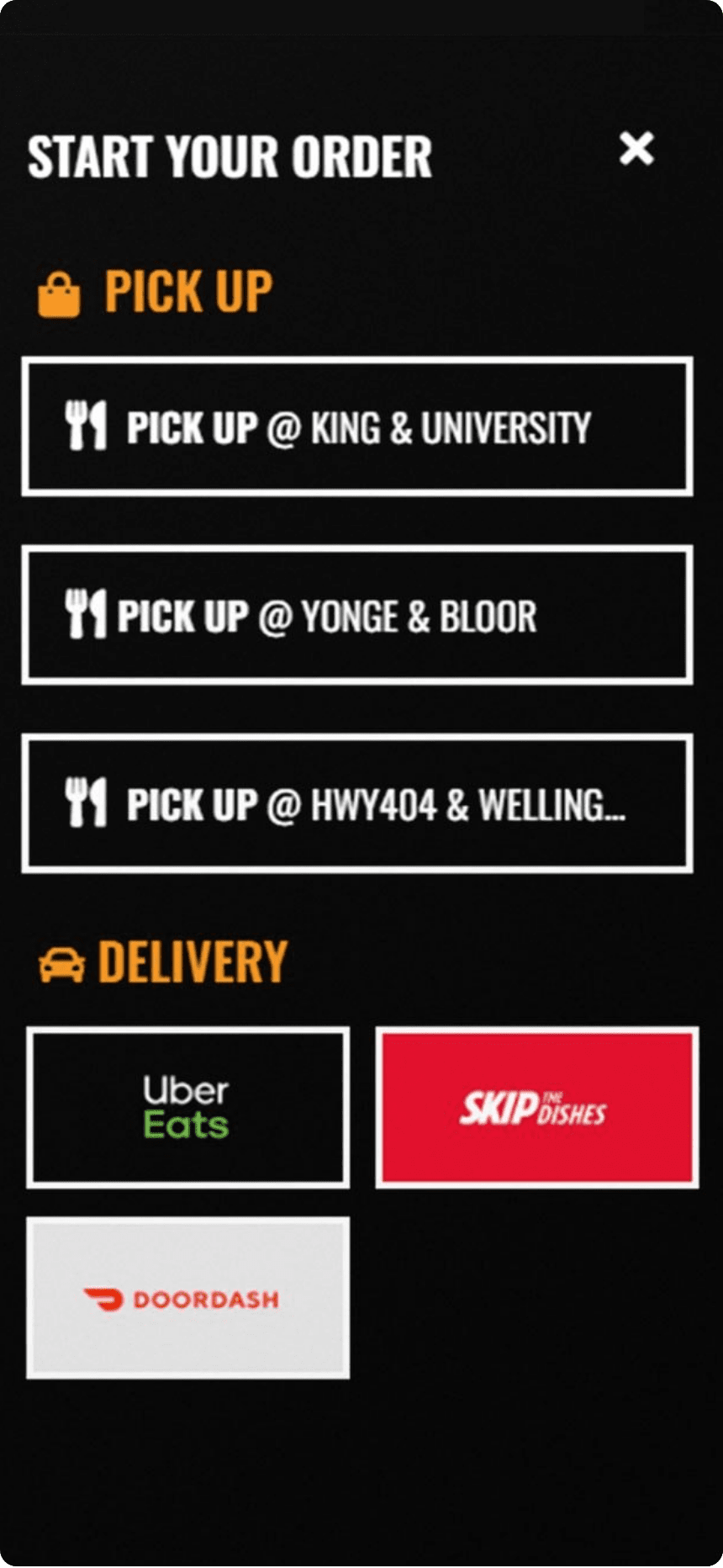
Final design of Lee Chen Asian Bistro website - Desktop and mobile.