How a SaaS Demo Tool Generated $1M+ in Marketing Pipeline
The Outcome
Within the first year of launching this tool, it generated over $1 million in marketing-sourced pipeline and established itself as the second highest-performing lead generation channel in the company, sitting just behind Free Trial sign-ups. It has held that position consistently since launch, and unlike most gated content assets that decay over time, this one has only grown in value.
The leads it produces are Marketing Qualified Leads. Not because someone downloaded a PDF, but because they spent deliberate time inside a product experience, made selections based on their own business challenges, and chose to unlock access. That behavioral signal is meaningfully different from a standard form fill.
The Problem with Traditional SaaS Demo Requests
Most "Book a Demo" flows share the same structural flaw: they ask for commitment before delivering value. A prospect lands on a page, fills out a form with their name, company, and email, and then waits for a sales rep to reach out. From the buyer's side, there is almost no product exposure before the conversation begins. From the sales side, there is almost no useful context about what the buyer actually cares about.
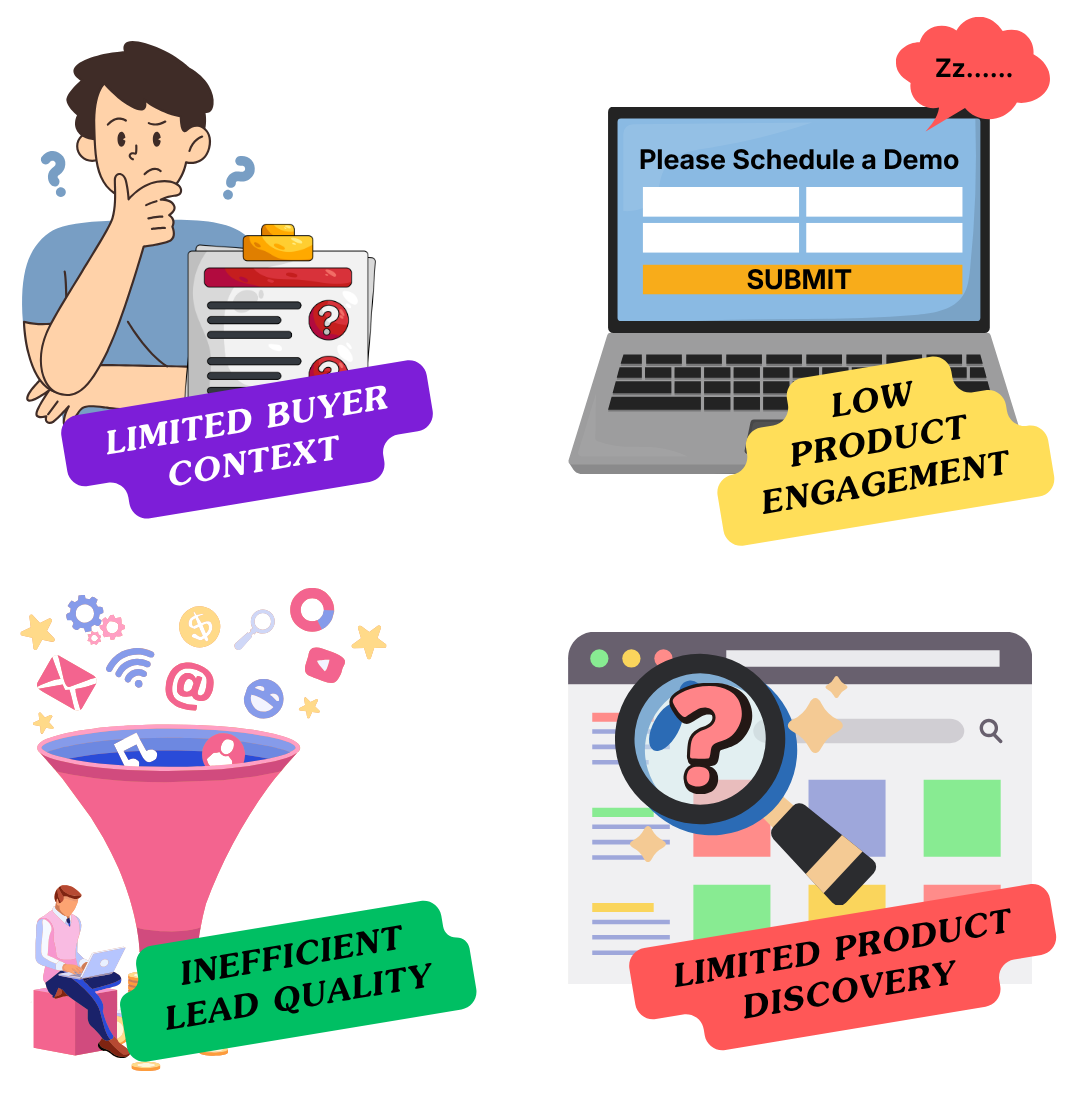
This created four compounding problems for the company:
Limited buyer context going into discovery calls. BDRs were starting conversations with little more than a job title and company name. There was no signal about which product capabilities the prospect was interested in, what business problems they were trying to solve, or where they were in their evaluation process.
Minimal product engagement before the conversation. Prospects would book demos having never seen the product. Discovery calls ended up functioning as product introductions rather than consultative conversations, which slowed down the sales cycle and put more pressure on the BDR to do education work that could have happened earlier.
Inefficient lead qualification. Without intent data, sales teams had to spend significant time in early calls figuring out which features were relevant to each prospect before they could have a meaningful discussion.
No self-serve path for buyers who were not ready for sales. The product had a wide range of features and use cases, but the only option available to a prospect was to book time with a human. There was no mechanism that let someone explore the product on their own terms first.
These problems are not unique to this company. They reflect a broader disconnect between how modern B2B buyers actually want to evaluate software and how most SaaS companies structure their demand generation.
The Solution: An Interactive Demo Builder
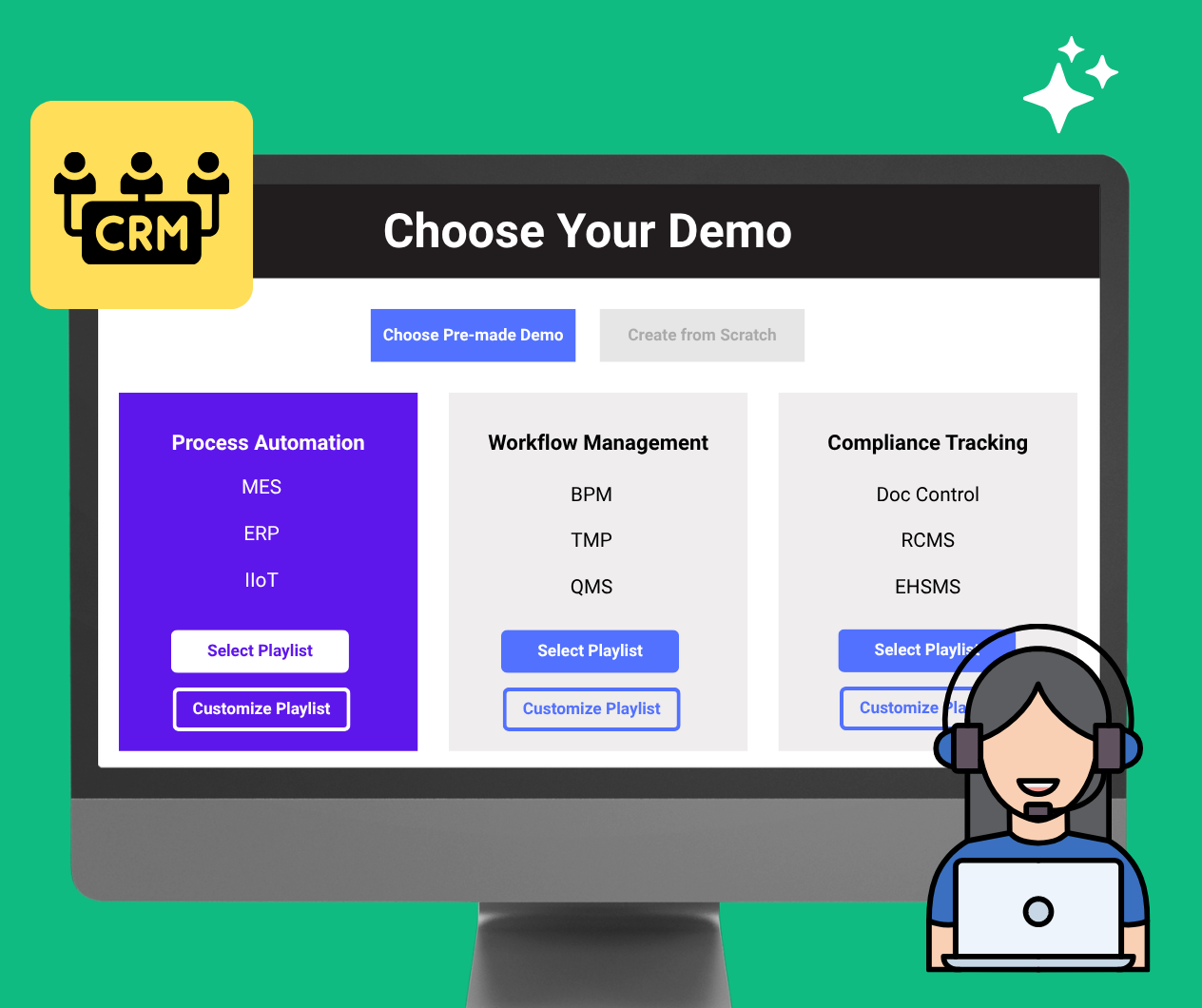
Rather than patching the existing flow, I designed a fundamentally different experience. Instead of a form that leads to a scheduled call, I built an interactive demo builder that let prospects create a personalized playlist of short product demos before they ever spoke with anyone.
The core idea was simple: let the buyer decide what they want to see, let them build something that reflects their own interests, and then use that data to make every downstream sales interaction more relevant and productive.
Here is how the experience worked.
Step 1: Choose a Starting Point
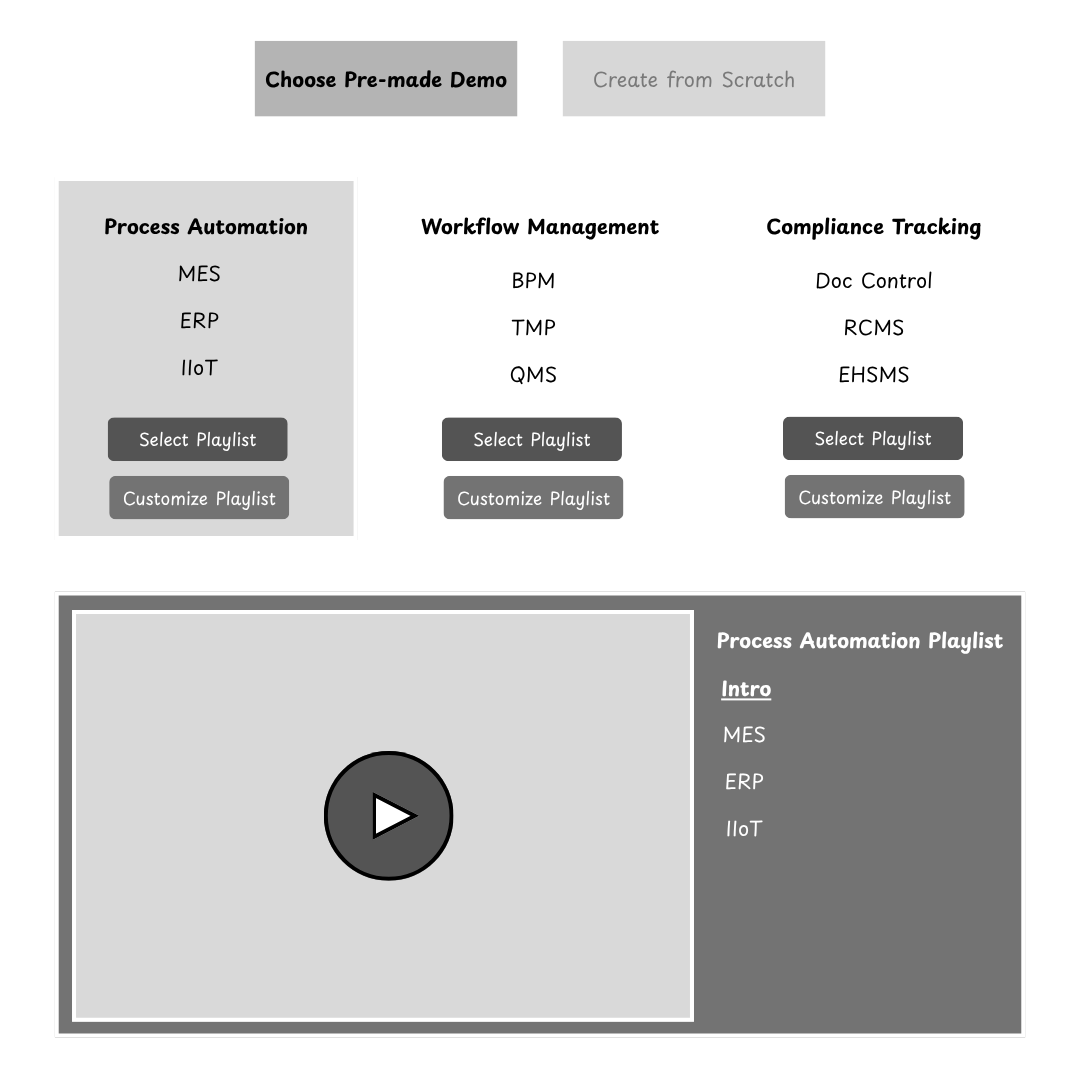
Users began by selecting one of three demo pathways based on how they wanted to engage with the product.
Pre-Built Demo Playlist. For buyers who wanted a quick overview, this option offered curated playlists organized around common use cases such as marketing automation, customer data management, and sales productivity. It required no customization and gave prospects a structured starting point.
Customize a Pre-Built Playlist. Users who wanted more control could start from a curated playlist and modify it, adding or removing demo clips based on their priorities. This gave them the efficiency of a recommended path with the flexibility to tailor it.
Build from Scratch. For prospects with a clear sense of what they were looking for, this option gave access to the full demo library. Users could select exactly the features they wanted to see and sequence them however they wanted. This pathway consistently attracted the highest-intent prospects.
The choice itself was a useful signal. Buyers who built from scratch were demonstrating a level of product familiarity and specificity that pre-built users typically were not.
Step 2: Browse and Select Demo Videos
Each demo in the library was a 30-second video focused on a single product capability. The format was intentional. Short enough to consume quickly, specific enough to be meaningful.
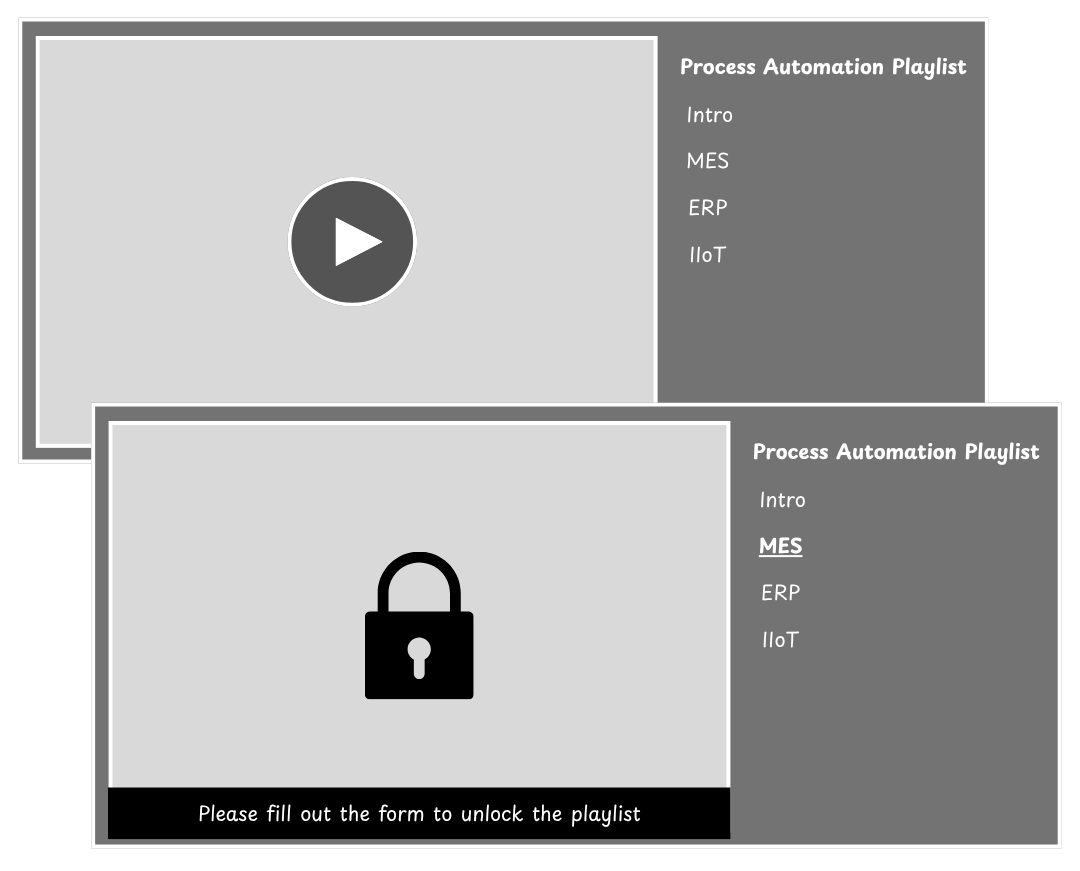
The demo videos were gated, meaning they could only be watched after a form submission. But each demo category had an ungated introduction that explained what the demos covered, what business problems they addressed, and who they were most relevant for. This gave prospects enough context to make informed selections without requiring them to commit upfront.
Users browsed the catalog and added demos to their playlist before ever seeing the lead capture form. By the time they reached the form, they had already invested time in building something personal to them.
Step 3: Lead Capture to Unlock the Playlist
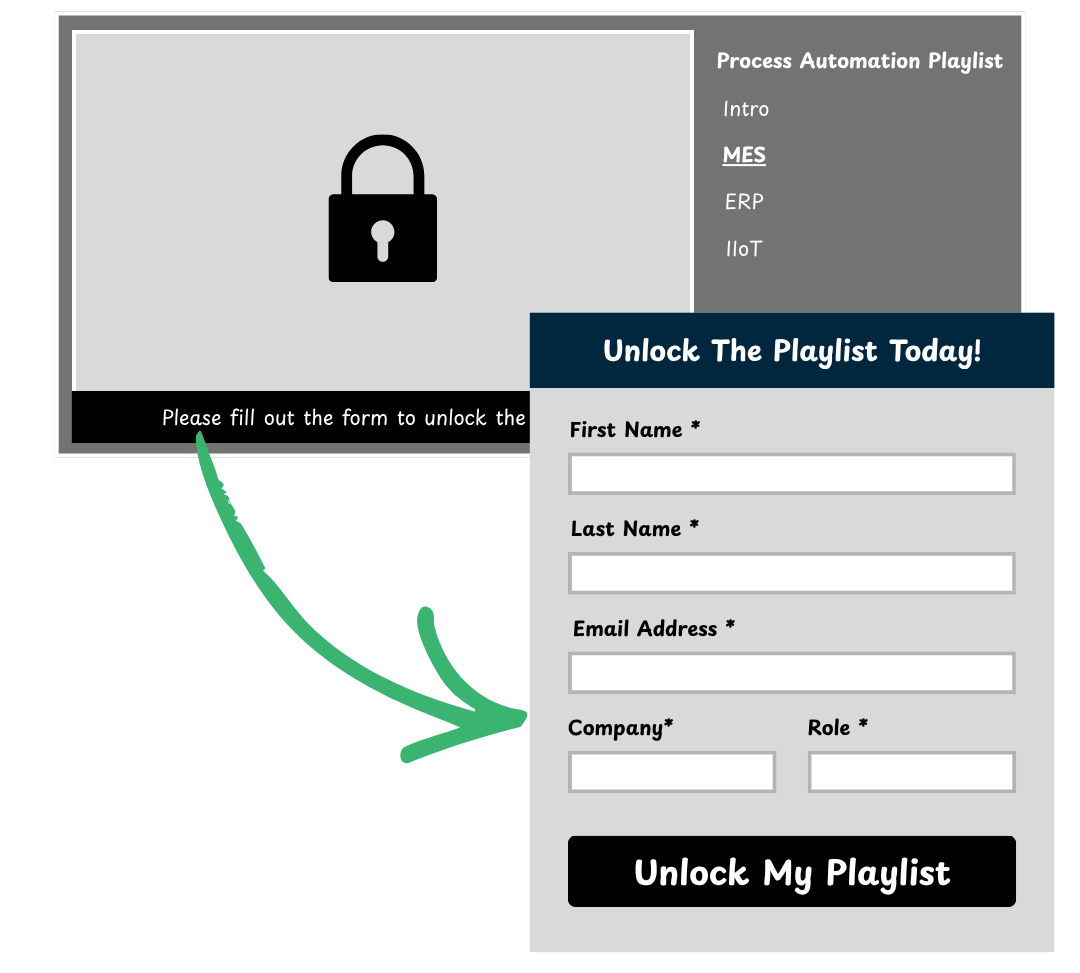
Once a prospect finished building their playlist, they were prompted to fill out a short form to unlock it. The form collected name, email, company, and role.
This is where progressive commitment design matters. Because the user had already spent time exploring categories and making selections, the form did not feel like a barrier. It felt like the last step to access something they had already built. Conversion rates reflected that distinction.
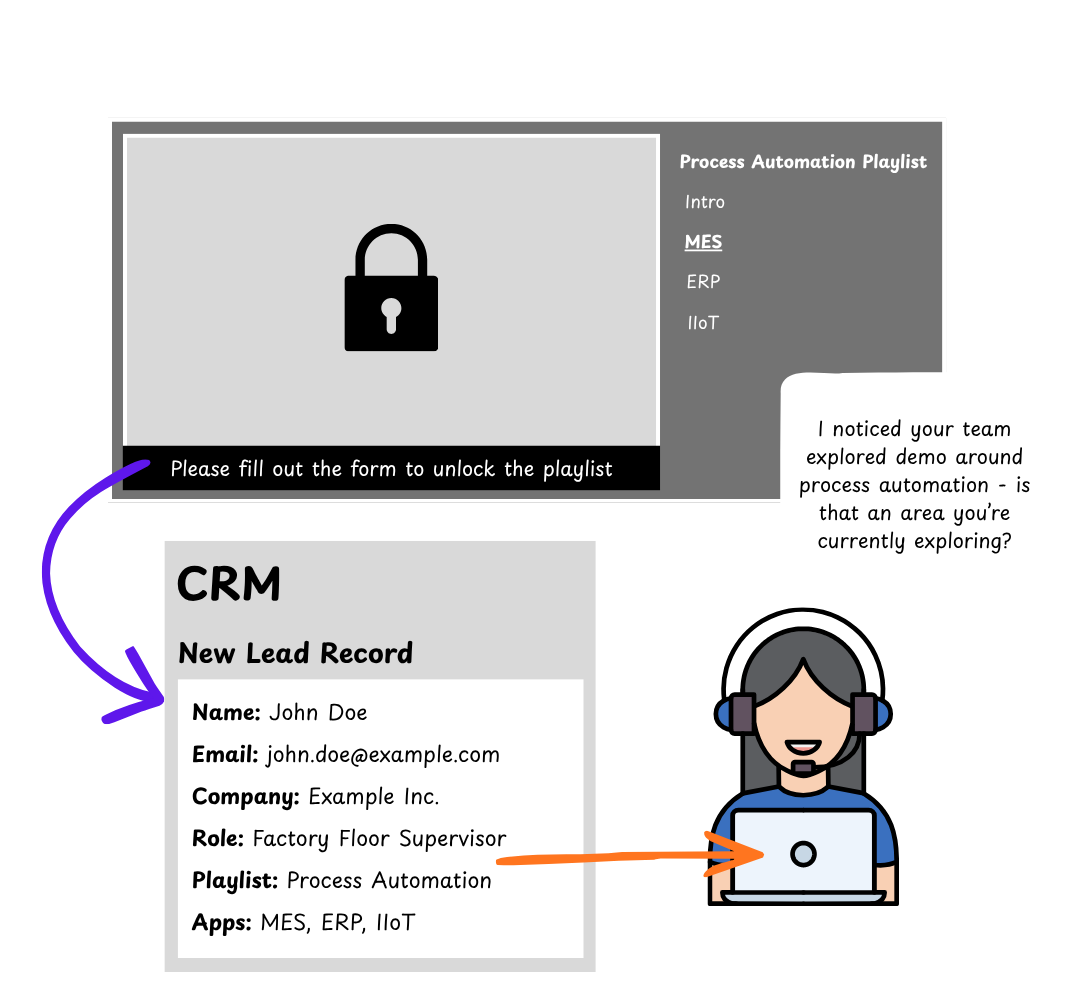
After submitting the form, the prospect received a personalized playlist link via email, was redirected directly to their playlist page, and their demo selections were automatically passed to the CRM as structured intent data.
All leads from this flow were classified as MQLs based on the demonstrated product intent, not just the form fill.
Step 4: The Playlist Page and Sales Handoff
The playlist page was where the experience came full circle. Users could watch the demos they selected, explore related features and use cases, and engage with additional product information at their own pace.
A conversational chat playbook was embedded directly into the playlist page. This was not a generic chatbot. It was configured specifically for this context, allowing prospects to ask questions about what they had just watched, get more detail on specific capabilities, and book time with a BDR without leaving the page.
Because the prospect had already self-selected into a product area, BDRs entering these conversations had immediate context. They knew which features the prospect had explored, which demo pathway they had chosen, and what business problems the use cases mapped to. Discovery calls shifted from introductory to consultative.
The SEO and Growth Strategy Behind the Tool
This was not just a conversion rate optimization project. It was built as a growth asset that connected SEO, product education, and demand generation into a single experience.
Traditional demo request pages primarily capture branded and high-intent traffic from buyers who already know the product. This experience was designed to reach earlier in the buyer journey.
Targeting problem-aware search traffic. Demo categories were mapped to specific pain points and use cases that buyers research before they start evaluating specific tools. Topics like workflow automation, customer data management, and sales productivity alignment closely with non-branded search behavior. Instead of landing those visitors on a static resource, the experience gave them something they could interact with.
Combining product education and lead capture in one flow. Most SaaS companies treat educational content, product demos, and lead capture as separate functions. This experience collapsed all three into a single journey. Users learned about the product while building their playlist, which produced higher-intent leads than a gated whitepaper or ebook ever could.
Generating structured intent data at scale. Every interaction inside the builder was captured and passed to the CRM. Which categories a prospect explored, which demos they added, which pathway they chose. This data gave BDRs a foundation for personalized outreach that did not require guesswork.
Meeting buyers where they are. The modern B2B buyer does significant research before speaking with sales. This tool gave them a way to engage with the product seriously on their own schedule, which is exactly what they were looking for.
UX Decisions That Drove Performance
Several design choices were made deliberately with conversion in mind.
Progressive commitment before the gate. Asking for contact information before delivering value is the fastest way to lose a prospect's attention. By letting users explore categories and build a playlist first, the form became a natural checkpoint rather than a wall. The investment they had already made increased their willingness to complete it.
Personalization through selection. Letting users choose their own demos gave them ownership over the experience. This was not a generic walkthrough of the product. It was a version they built themselves based on what they actually cared about, which made it inherently more engaging.
Short-form video to reduce fatigue. Thirty seconds per demo was a deliberate constraint. It let users consume multiple features quickly without sitting through a lengthy presentation. The format respected their time and encouraged them to explore more of the library rather than abandoning after the first video.
Integrated path from demo to sales. The chat playbook on the playlist page removed any friction between watching demos and booking time with a BDR. Prospects did not have to navigate away, fill out another form, or go through a separate scheduling flow. The transition from self-serve to sales-assisted was seamless.
Results
Over $1 million in marketing-sourced pipeline in the first year. The leads entering the sales funnel through this experience were better educated, more engaged, and more productive to work with than those coming through traditional channels.
Second highest-performing lead generation channel in the company. Behind only Free Trial sign-ups, both of which generate MQLs on the strength of product intent rather than content consumption.
Lead sources ranked by value:
- Free Trial sign-ups (MQL)
- Interactive Demo Builder (MQL)
- Traditional gated content
- Standard "Book a Demo" forms
Improved sales conversations. BDRs entered calls with structured data about what each prospect had engaged with, which reduced qualification time and allowed conversations to start with relevance rather than introductions.
Stronger buyer engagement. Instead of a passive form submission, prospects were actively building something. That shift in the nature of engagement was reflected in the quality of the leads that came out the other side.
My Role
I led the strategy, experience design, and cross-functional coordination for this project, working closely with marketing, product, and sales teams.
On the strategy side, I conceptualized the demo builder as a replacement for the traditional demo request flow, designed the user journey to prioritize product discovery before lead capture, and connected the overall experience to the company's SEO and demand generation goals.
On the design and conversion side, I built out the demo builder flow and playlist experience, implemented the progressive gating structure, and organized the demo pathways to support both guided and self-serve buyer journeys.
On the data and sales enablement side, I defined the lead capture and CRM integration strategy, ensured demo selections were captured as intent signals, and worked with BDR leadership to structure CRM outputs in a way that would actually be useful in outreach and discovery calls. I also integrated the conversational chat playbook to create a smooth path from playlist engagement to meeting booking.